

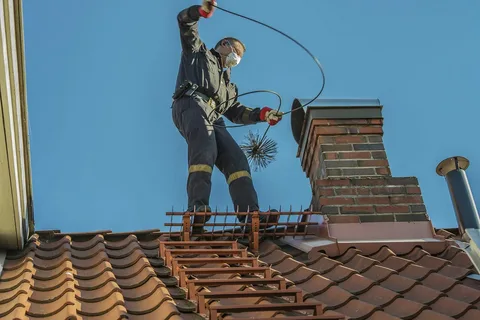
New Hampshire winters are long, cold, and unforgiving. From late October through April, fireplaces and woodstoves become a centerpiece of daily life. Families gather around the warmth, wood crackles in the background, and the spirit of New England living comes alive. But behind that cozy ambiance is a reality most homeowners don’t think about: your chimney is doing far more work than you realize.
This is why hiring a chimney sweep in New Hampshire is not just a seasonal chore — it’s a serious safety necessity.
New Hampshire’s Climate Creates a Perfect Storm for Chimney Problems
Unlike warmer states where fireplaces are used occasionally, New Hampshire homeowners often use their fireplaces daily for months at a time. That means:
- More wood burning
- More soot and creosote buildup
- More strain on liners, masonry, and caps
- More opportunities for blockages from storms or wildlife
Creosote — the highly flammable byproduct of burning wood — builds up at a faster rate in colder climates because fireplaces burn longer and hotter. According to the NFPA, creosote is responsible for the majority of chimney fires in the U.S., and in cold-weather states like New Hampshire, that risk is significantly elevated.
Why New Hampshire Homes Need More Frequent Chimney Sweeping
While the national recommendation is one sweep per year, New Hampshire’s longer burn season often makes annual cleaning the bare minimum. Many professionals advise:
- Sweeping before winter (to ensure no summer blockages)
- Sweeping mid-winter for households burning daily
- Sweeping after winter to assess damage from snow, ice, and temperature swings
Frequent use = frequent buildup. It’s that simple.
What Professional Chimney Sweeps Actually Do
A certified chimney sweep in New Hampshire doesn’t just stick a brush in the flue. Modern chimney sweeping has evolved with advanced tools and safety practices. During a visit, a sweep will:
- Clean soot and creosote buildup from the chimney
- Remove obstructions (leaves, nests, debris)
- Inspect the chimney’s interior and exterior
- Check drafting to ensure proper airflow
- Examine the chimney cap, crown, flashing, and liner
- Identify potential safety hazards
In older New England homes — many built in the 1800s or early 1900s — the chimney system often requires even more care due to aging masonry.
What Happens If You Skip Sweeping?
Skipping a chimney sweep may feel harmless, especially if “everything seems fine.” But chimney problems rarely show symptoms early. Homeowners often don’t realize there’s an issue until:
- Smoke pushes back into the home
- Strong odors appear
- A sudden drop in efficiency occurs
- A chimney fire ignites
And here’s a statistic worth repeating: It only takes ⅛ inch of creosote to start a fire. Many chimneys in NH exceed that within weeks of heavy use.
How NH Homeowners Can Reduce Chimney Risks
- Burn seasoned hardwood, not softwoods
- Avoid burning trash or paper, which accelerates creosote buildup
- Install a chimney cap to keep animals out
- Schedule regular sweeping by a certified professional
- Monitor your fireplace for unusual odors, smoke, or drafts
Final Thoughts
A chimney sweep in New Hampshire is more than a routine service — it’s a critical line of defense against chimney fires, smoke issues, and structural damage. With long winters, heavy fireplace use, and unpredictable storms, NH homes require more diligent chimney care than most.
If your fireplace hasn’t been cleaned or inspected this year, now is the time. Your safety — and the comfort of your home — depend on it.